
Rochester/ Monroe County Arts and Culture Plan
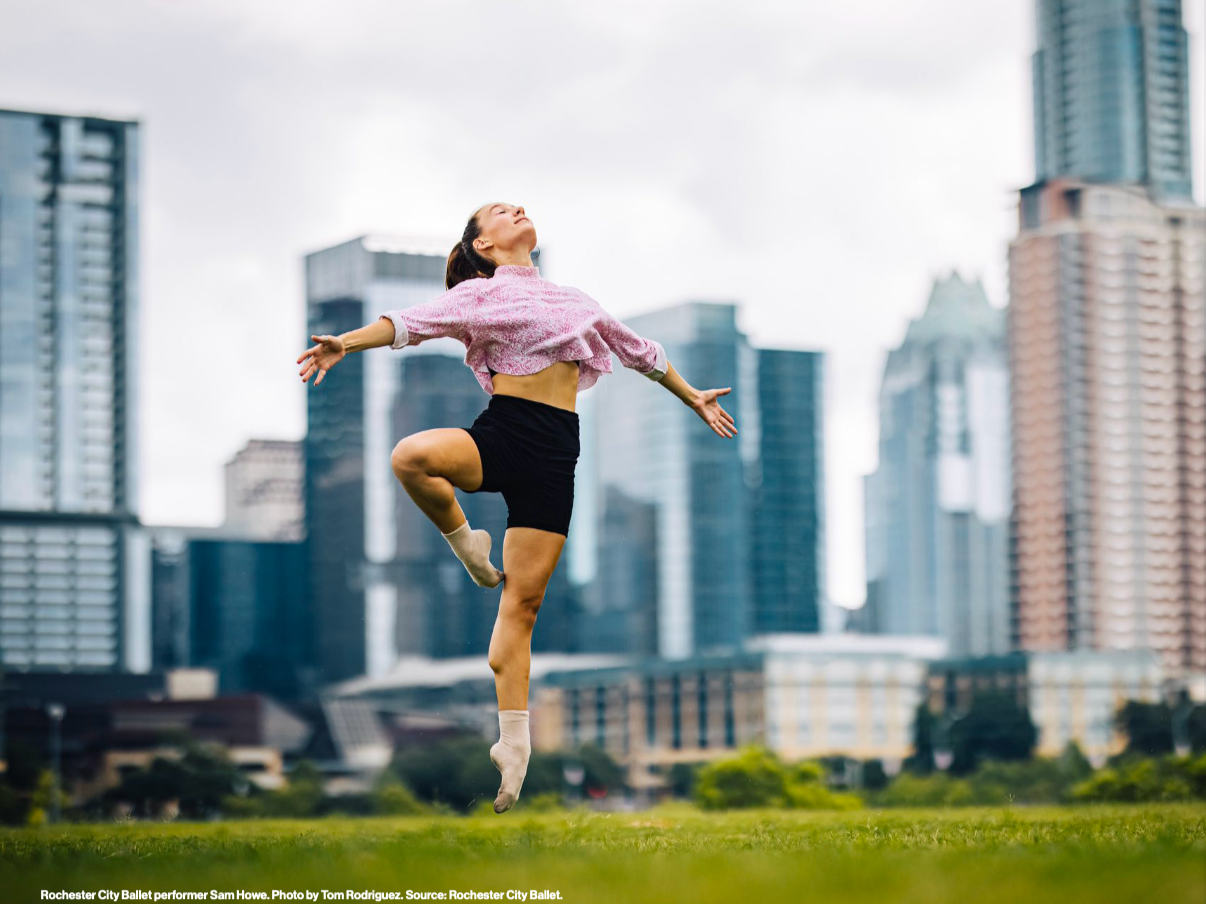
Rochester, N.Y., and surrounding Monroe County sought a cultural plan that would provide an integrated vision and strategy for focusing their arts, culture and public art investments along clear community-driven priorities. Bressi helped create a plan that identified a consolidated list of goals and strategies that could address the wide range of needs that were expressed by stakeholders – from inner-city neighborhoods to rural hamlets, from independent artists to cultural organizations of all sizes.
Date | Ongoing
Client | City of Rochester, Office of Planning
Collaborators | Designing Local, Jessica Cusick
Rochester, N.Y., peaked as an industrial center a half-century ago. Although it has lost much of its economic base, numerous arts, culture, and educational institutions continue to thrive as a result of the philanthropic legacies of its major companies. At the same time, the city has seen the emergence of a diverse community-based arts sector with artists, arts organizations, and festivals spanning multiple genres.
In recent years, both Rochester and Monroe County, which surrounds it, have increased their financial commitments to arts and culture. Because of that, and because of planning projects which have emphasized the role arts and culture can play in helping the region thrive, the city and county commissioned a joint arts and culture plan.
The city and county saw room for and a need for further collaboration between local arts organizations, public agencies, philanthropic organizations, private businesses, academia, and individual artists. They also saw room and need to support promising grassroots efforts and start-ups that are looking to impact the community by expanding access to arts and cultural resources. Both of these goals would be supported by new governance structures in the city and county, including a replacement for the county arts council, which ceased operations.
Bressi collaborated with Designing Local and Jessica Cusick on a comprehensive plan that focuses on several key goals. The plan is still in development with expected completion in 2026.
Enhance government capacity for investing in arts and culture,
Improving access to the arts for all area residents, addressing equity, geography, and infrastructure,
accessibility, promotions, and coordination.
Amplifying the artistic expression of underrepresented populations, including but not limited to
people of color, the LGBTQ+ community, d/Deaf artists, artists with disabilities, etc.
Providing a more robust pipeline for the development of artists, nurturing their artistic and business skills,
Nurture a culture of arts-filled spaces and experiences throughout the community.