
In Memorium, Donlyn Lyndon, 1936-2026
April 20, 2026
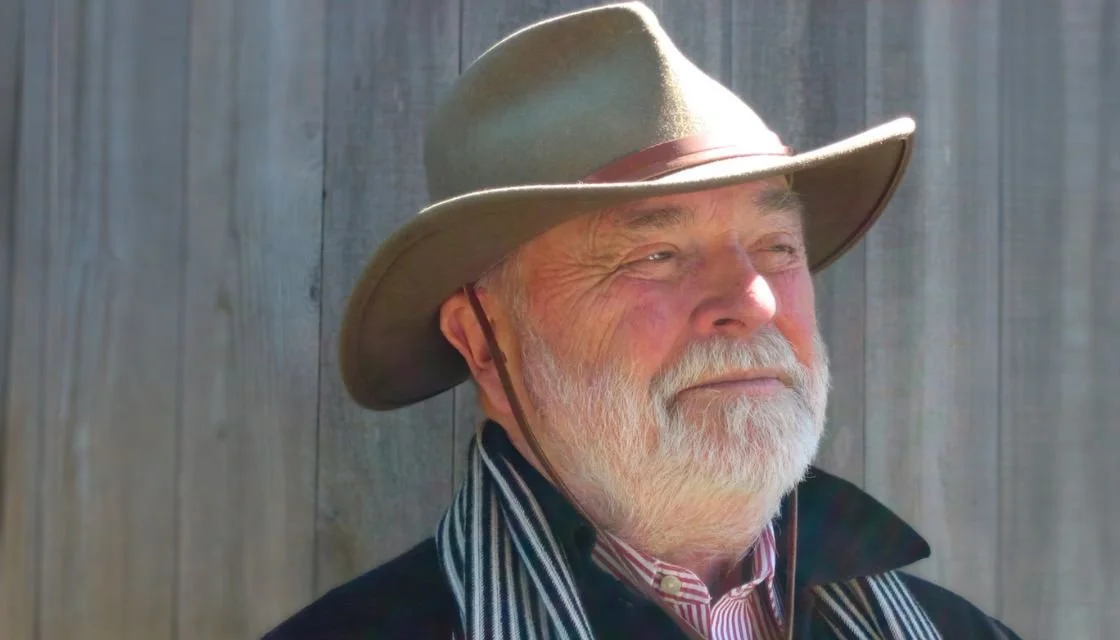
Word came to me earlier this month of the passing of Donlyn Lyndon. The official record will say that Donlyn was a highly honored emeritus professor of architecture at the University of California, Berkeley, College of Environmental Design, where he taught in the early 1960s and then from 1978 to 2010. The record will also say that his best-known work, Condominium One at Sea Ranch, by his firm Moore Lyndon Turnbull Whitaker, was a breakthrough exemplar of California regional modernism. But I will remember him as the person, more than anyone else, who gave me the opportunities to grow into the professional life that I have now.
In the early 1980s, fresh out of college, I returned to New York frequently to visit friends, and one weekend found my way to the Urban Center in the Villard Houses on Madison Avenue, where I discovered its legendary bookstore. I returned frequently to explore what became my passions, writing and the design of cities, and saved whatever money I could to stock up on books there.
On one of my visits, I picked up a copy of a brand new journal called Places, led by design faculty at Berkeley and MIT. Erudite yet soft-spoken, the journal opened up imaginative frames of reference for thinking about the cities where I was living and writing. Each issue was like a conversation, wide-ranging yet grounded in the central idea that design mattered most when places mattered to all of us. And Places helped me see the many ways that places imprint themselves on our psyches, our communities, our culture.
Donlyn co-founded Places and, for all of its 20-plus years as a printed publication, he was editor or co-editor. (Places now exists as an online journal, edited by Nancy Levinson.) When it came time for me to apply to graduate school, Berkeley was hands down my first choice. Any school that could publish a journal like this, I reasoned, is a school that I want to go to.
Not long after I arrived, Donlyn hired me as a research assistant to work on the journal. Little did I know that I would continue collaborating with Donlyn for almost 15 years, ultimately as executive editor, in charge of running the day-to-day operations and pulling each issue together.
Donlyn was exacting but big-hearted. He ultimately gave me great leeway with the journal, space to explore, mature and grow. Through Donlyn and Places, I forged relationships with professionals in many organizations, from the Congress for the New Urbanism to the Institute for Urban Design to the Mayors Institute on City Design. The journal and I were ultimately situated at Pratt Institute, where I also taught, keeping my feet in both the East Coast and West Coast academic worlds.
In the very first issue that I helped edit, Places published “Western Civic Art, Works in Progress,” by Bill Morrish, Catherine Brown, and Grover Mouton. This article chronicled the founding of and planning for Phoenix’s public art program, and among the questions the authors asked was, “What Would a City Be Like if an Artist Designed It?” That article, and the idea of public art, got my attention, and now, almost forty years later, I have been chasing that vision ever since.
Donlyn was Places, and Places was placemaking, before anyone ever bothered to coin that term. Every issue began with Donlyn’s editorial, “Caring about Places,” and as we put together each issue, I eagerly awaited the arrival of his next essay. To this day, I often return to the original edition, which affirmed Places’ philosophy as something of a lodestar for my own: “Places will focus on the shifting lines between public and private domains, with particular attention to public space in the service of shared and egalitarian ideals of society.” The editorial also warned of the danger of when “initiatives for shaping public environments are concentrated in the hands of a very few.”
In the forty years since the journal was launched, the notion of placemaking has expanded throughout the environmental design professions to embrace goals like cultural resiliency, economic vibrancy, participatory action, and incremental interventions. The seeds of all of these ideas can be found in the pages of Places, which has enabled me to follow the evolution of my field with both a critical perspective and a critical embrace. Several lessons still resonate with me, that there is an ethic and responsibility to being an environmental designer; that places succeed at the intersection of individual, community, and shared societal experience; and that we must understand and be wary of the sources that would control our valued settings for their own purposes.
By all accounts, Donlyn was an extraordinary architect and teacher, but for me, his superpower was his mastery of language – rhythmic, poetic prose that carried the listener along, that began quietly and crescendoed into ideas that are bigger than you could have imagined. As in the days when I was editing Places, I offer Donlyn the final word, with deepest gratitude:
The architect's task is to make places and buildings that nurture and enrich … engagement, bringing imaginative, critical, responsible thought to the making of things – so that they will stand, stir, accommodate, intrigue, sustain attention, and take a rightful place in people's lives.