
Hollister Arts & Culture Element
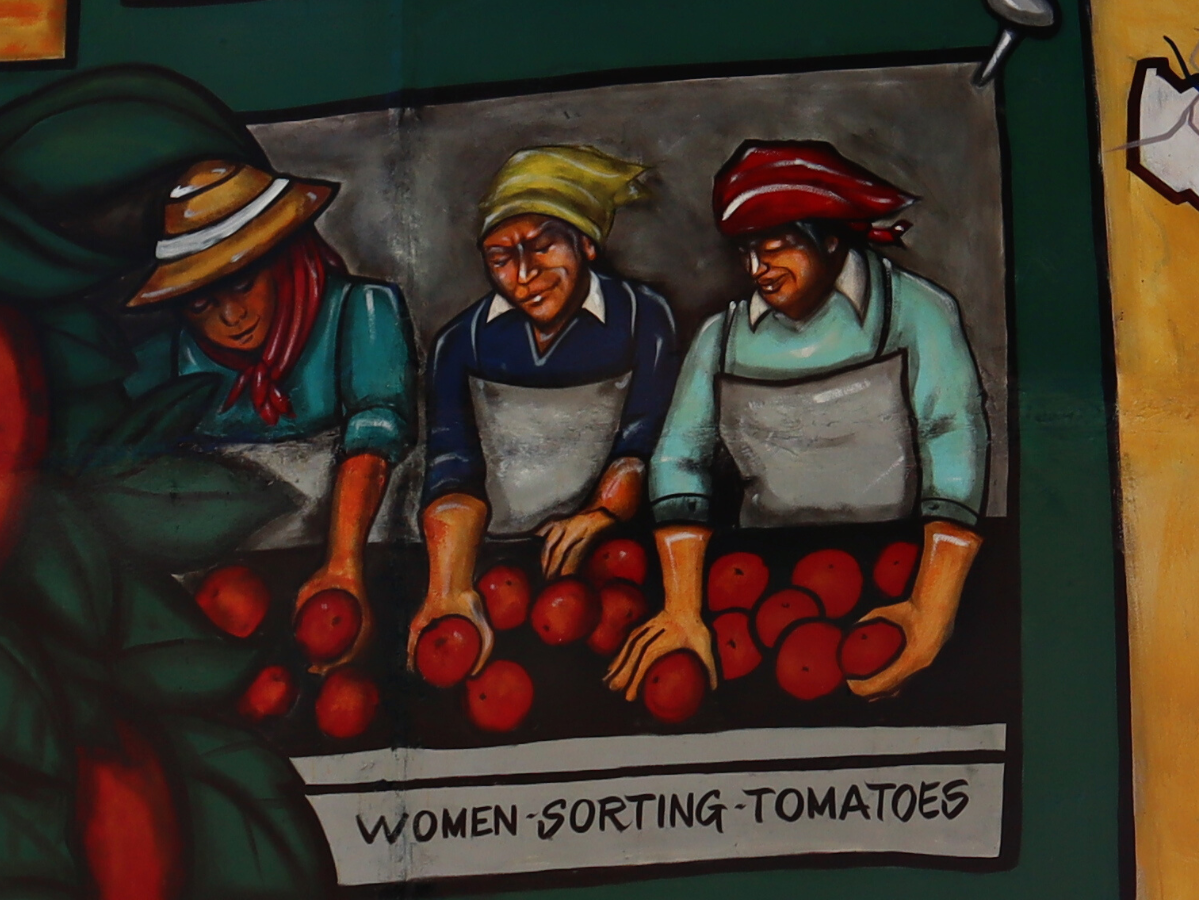
Hollister, Ca., is one of the few cities in California (and perhaps the smallest city, and the only agricultural city) to have an Arts and Culture Element as a component of its General Plan. Hollister’s plan, developed by Bressi in collaboration with Placeworks, outlines City policy for creating a lively arts scene that encourages self -expression and ensures the representation of Hollister’s arts and cultural communities. The element includes policy direction to expand arts programming, support funding efforts, and develop a distinct identity for Hollister as a regional destination for arts, culture, and creative economy. The plan is pending approval.
Date | 2024-
Client | City of Hollister
Collaborators | Placeworks
Hollister, California, looms large in American cultural iconography, as depicted in the biker film The Wild One and by the eponymous fashion label Hollister. Its cultural life, however, is deeply rooted in the traditions of the region’s Latino community, agricultural history, and migrant labor struggles, while it is exploring new connections to arts communities in the Monterey Bay and San Francisco Bay areas.
With the adoption of its new general plan, Hollister will become one of the few cities in California (and perhaps the smallest city and the only agricultural city) to include an Arts and Culture Element in its general plan. Bressi developed the element in collaboration with the Placeworks planning team and arts leaders in the city.
Hollister’s Arts and Culture Element is based on the recognition that creative activities in Hollister “embody the ways that people tell their stories, sustain their culture, do their everyday work, and strive for a better future.” Moreover, it recognizes that “people in Hollister have a thirst for learning about and participating in the arts — in their schools, in classes, in informal organizations, and in community activities.”
The plan includes the following directions:
Recognize and support the full breadth of the community’s traditional cultural practices and creative enterprises, not just formal arts organizations
Advance partnerships with arts and culture organizations, particularly the County arts council, the local community college, and the local school district
Emphasize access to arts education and participation
Allow for the city’s creative voices to be experienced in public space
Look for catalytic opportunities to develop spaces for artists to live, create, present, and sell art in the city