Creative Community Engagement
We excel at finding ways to connect people to the planning processes we lead.
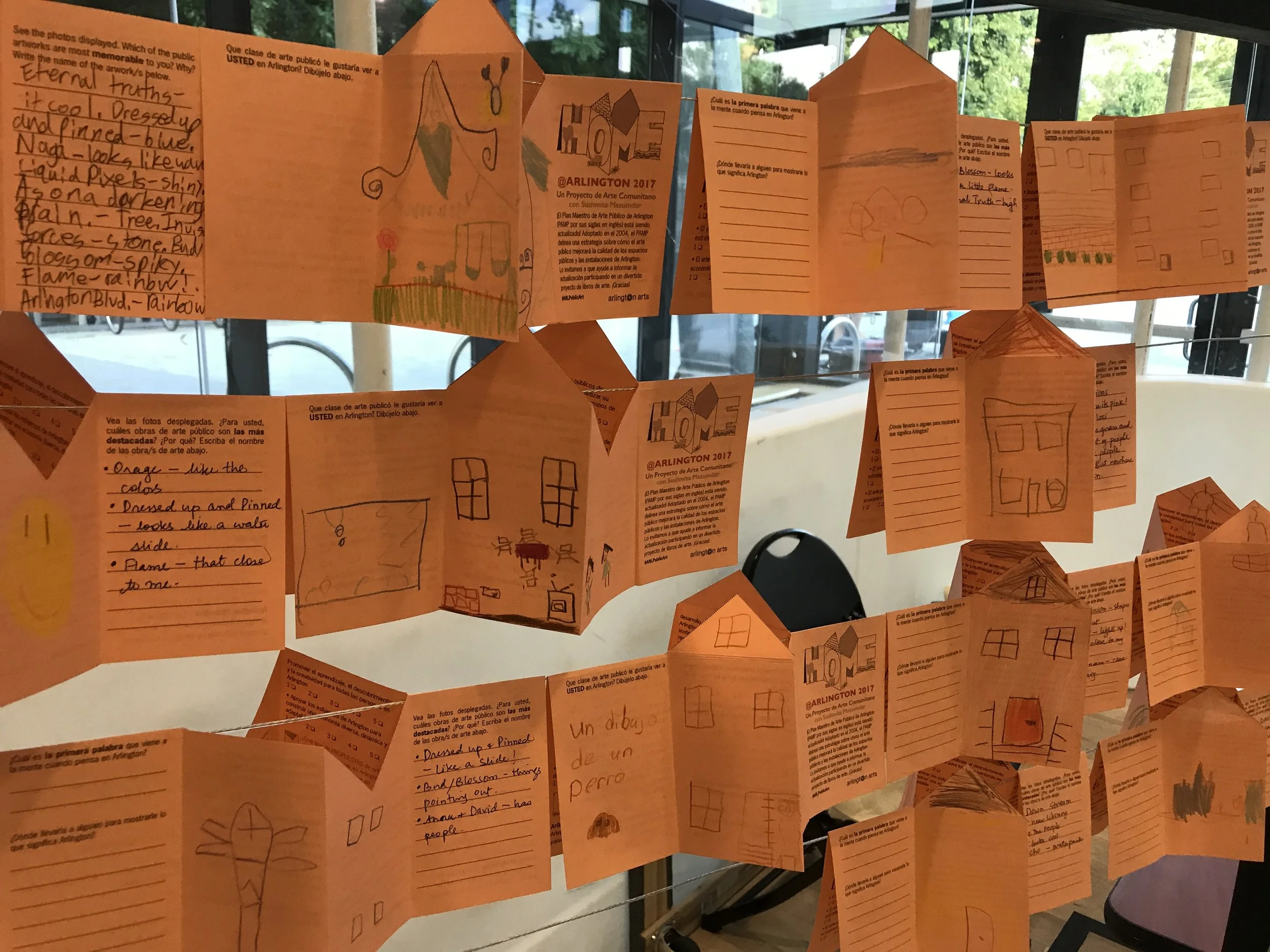
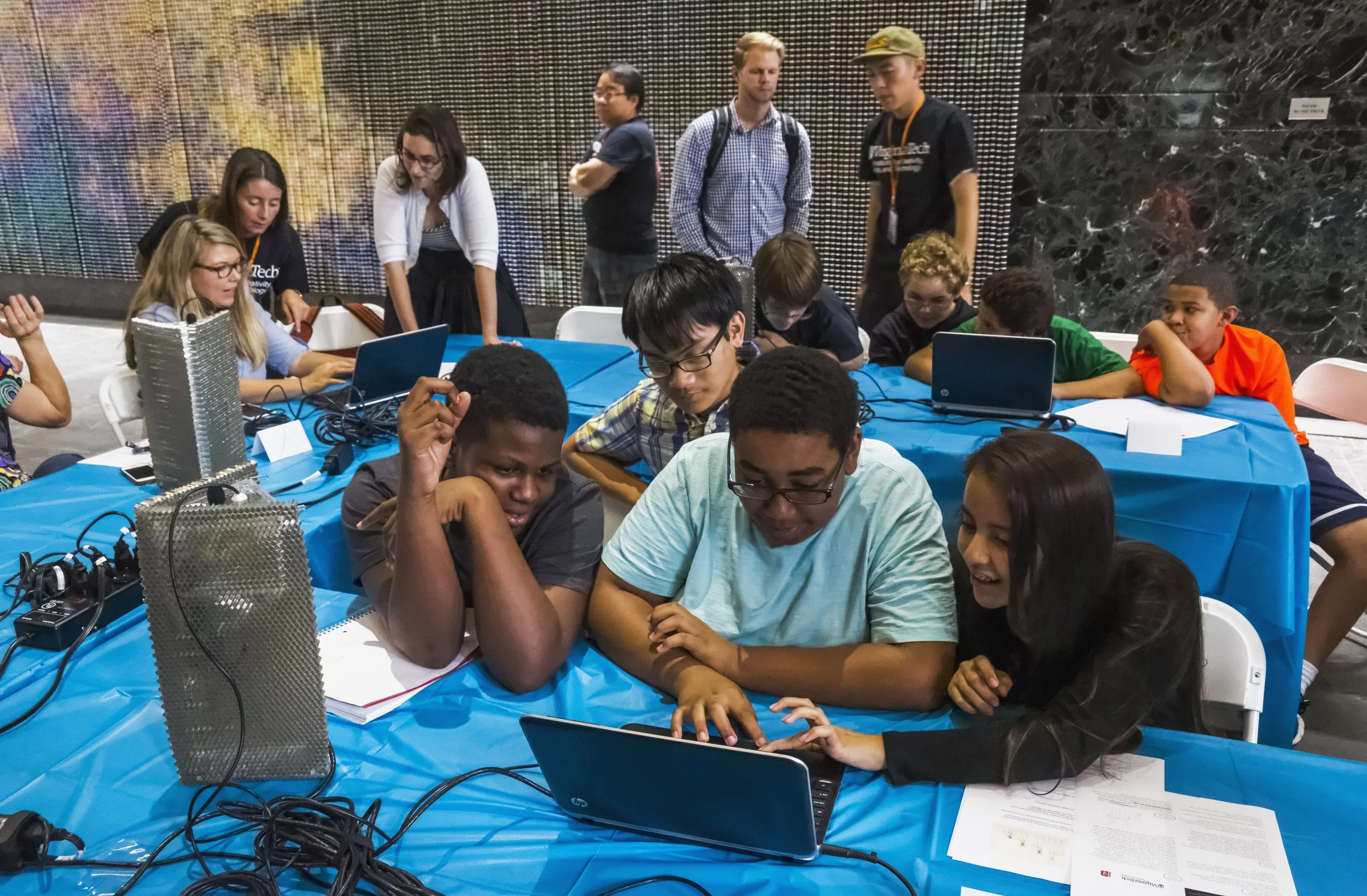
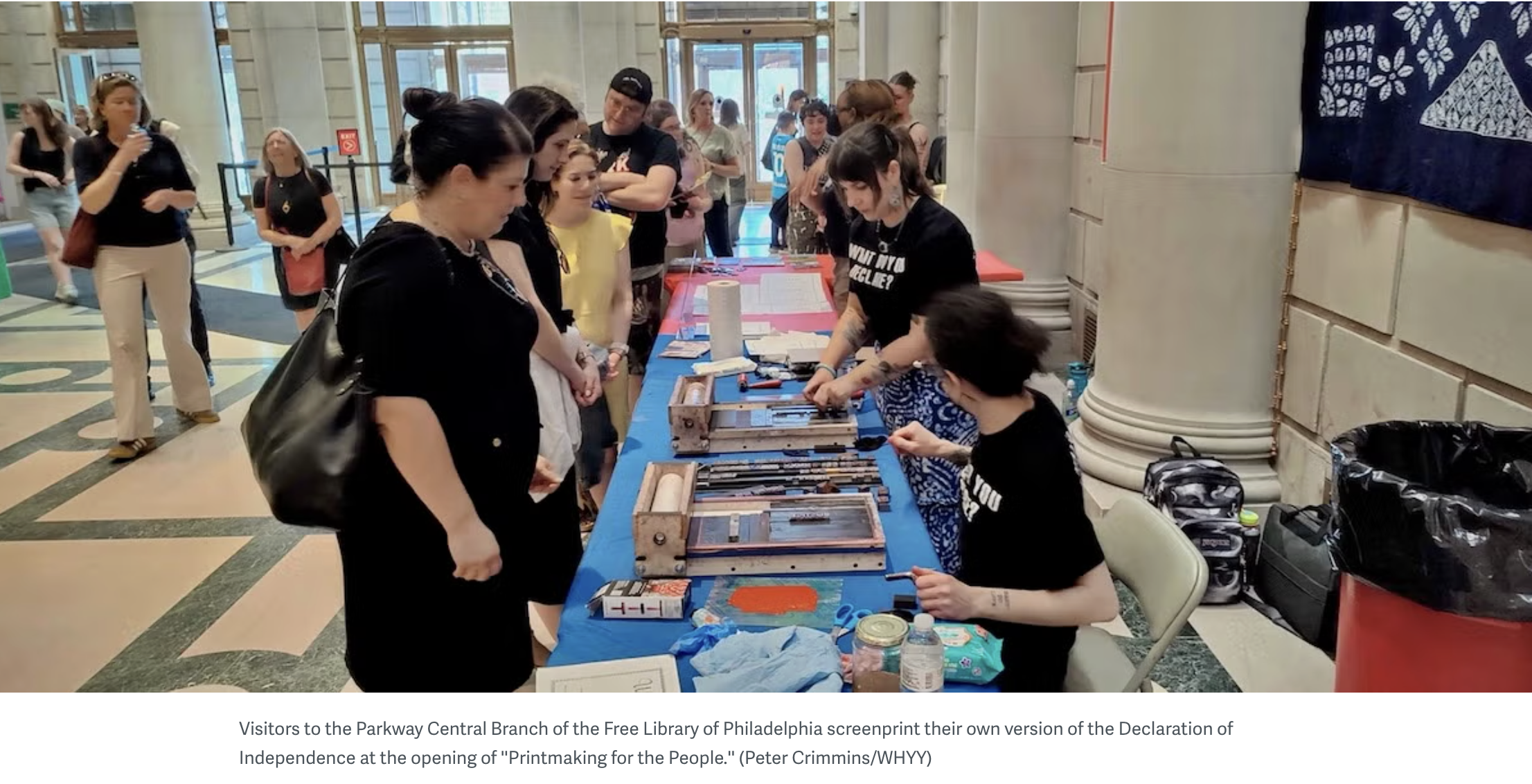
Whether asking people to image and create their own monuments our of arts and crafts supplies, inviting people to a barbeque where the price of admission is bringing a historic photo of a neighborhood, or a public art top ten countdowns, we’re experts in getting people to talk about why art is important to their community, the stories that they want public art to tell, and the creative talents that can be found in any community.
These fun, playful engaging activities are of the most visible end of the comprehensive community engagement strategies with develop with our clients for each project we do. These strategies take into account roles that various stakeholder groups will pay, their barriers to participation, and how to connect with people where they are.
Community engagement is an important aspect of public art planning. It helps ground a plan in people’s ideas about what their city can be, and it can help the community understand better how public art can be a resource for them to build the places they want to live in.
However, community engagement can be challenging for a variety of reasons. People may not be able to attend scheduled meetings, they may not understand how their involvement will impact the plan, they may be distrustful of public processes, or simply have other priorities; they can have difficulty participating in meetings that aren’t conducted in a language they commonly speak.
We urge thoughtful approaches to engagement that carefully consider the stakeholders that should be involved in a process, what level of involvement each group of stakeholders should have, what people’s barriers to participation might be, and what engagement approaches would work best to reach them.
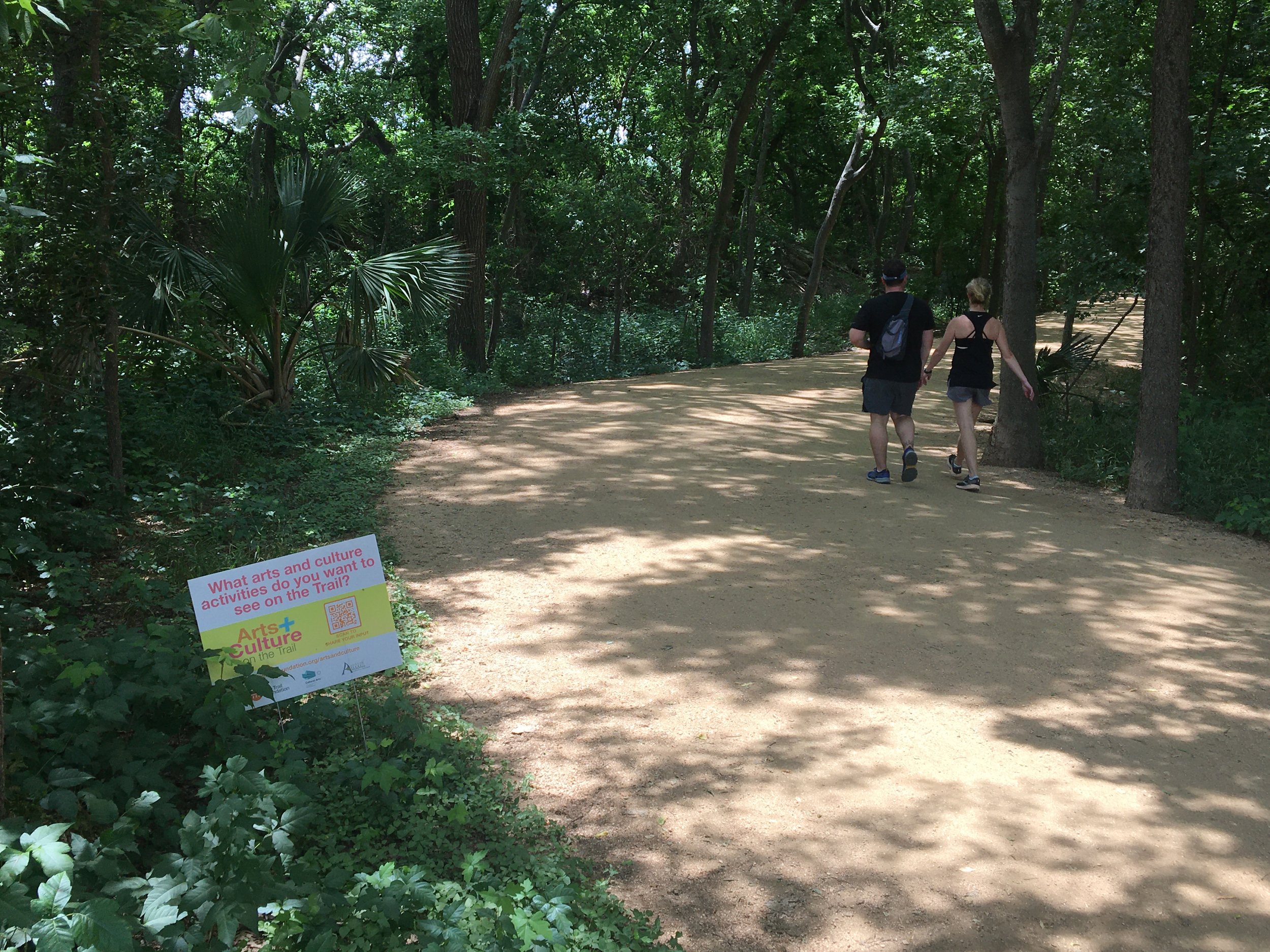
One consistent lesson is that engagement often works best when it reaches people where they are. That’s why we enjoy thinking outside the box when it comes to planning this aspect of a project, and especially enjoy collaborating with artists who are from the communities where we are working.
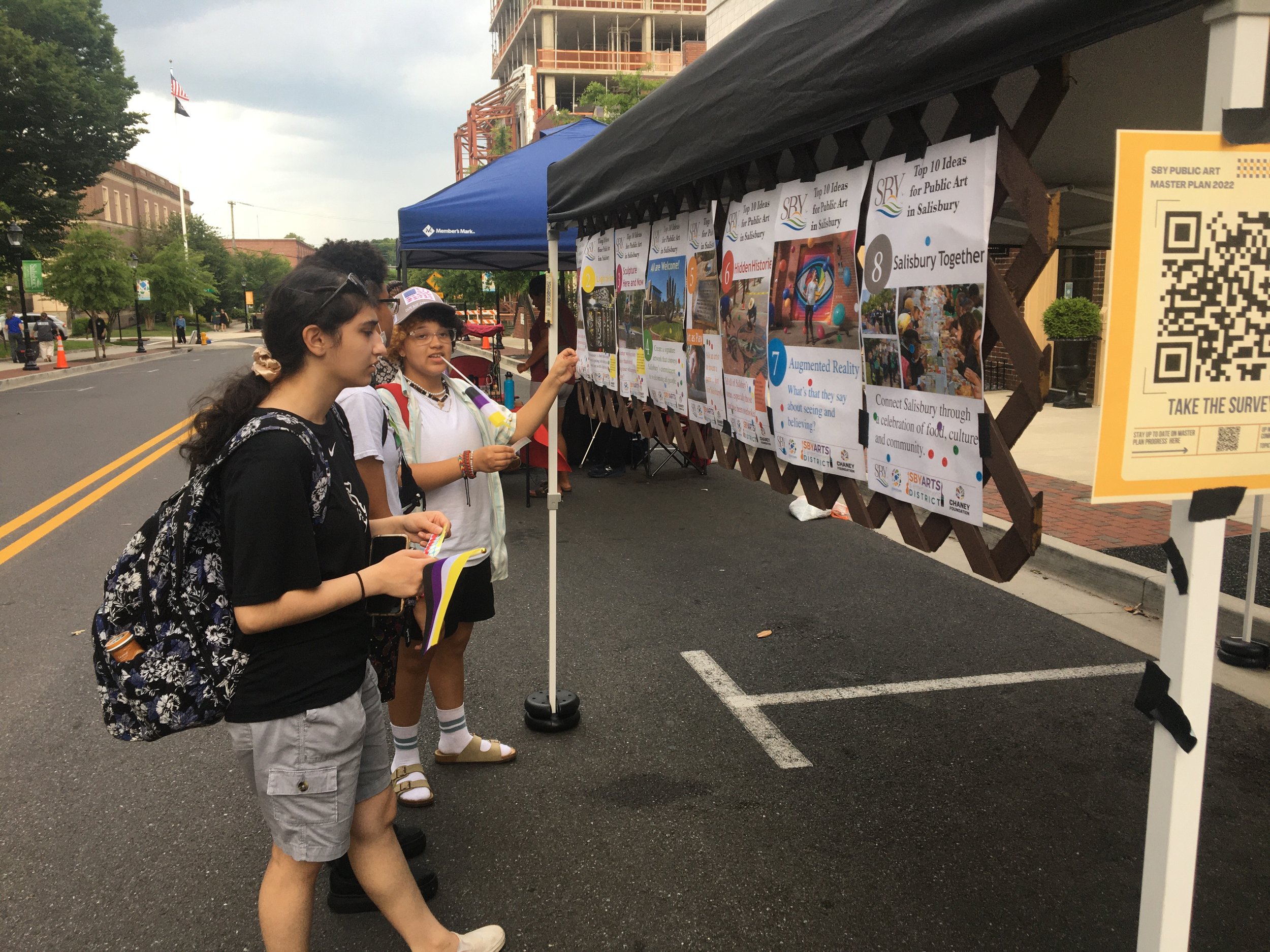
Take Salisbury, Md., for example. A major component of the community engagement process for that plan involved periodic happy hours with activities meant to get conversation going – a show and tell for local creatives, a public top ten list, and a public art face off. These unconventional conversations shed real life on Salisbury’s creative pulse and directly resulted in recommendations such as a “Salisbury Prize,” an annual public art competition open to any creative team in the region.
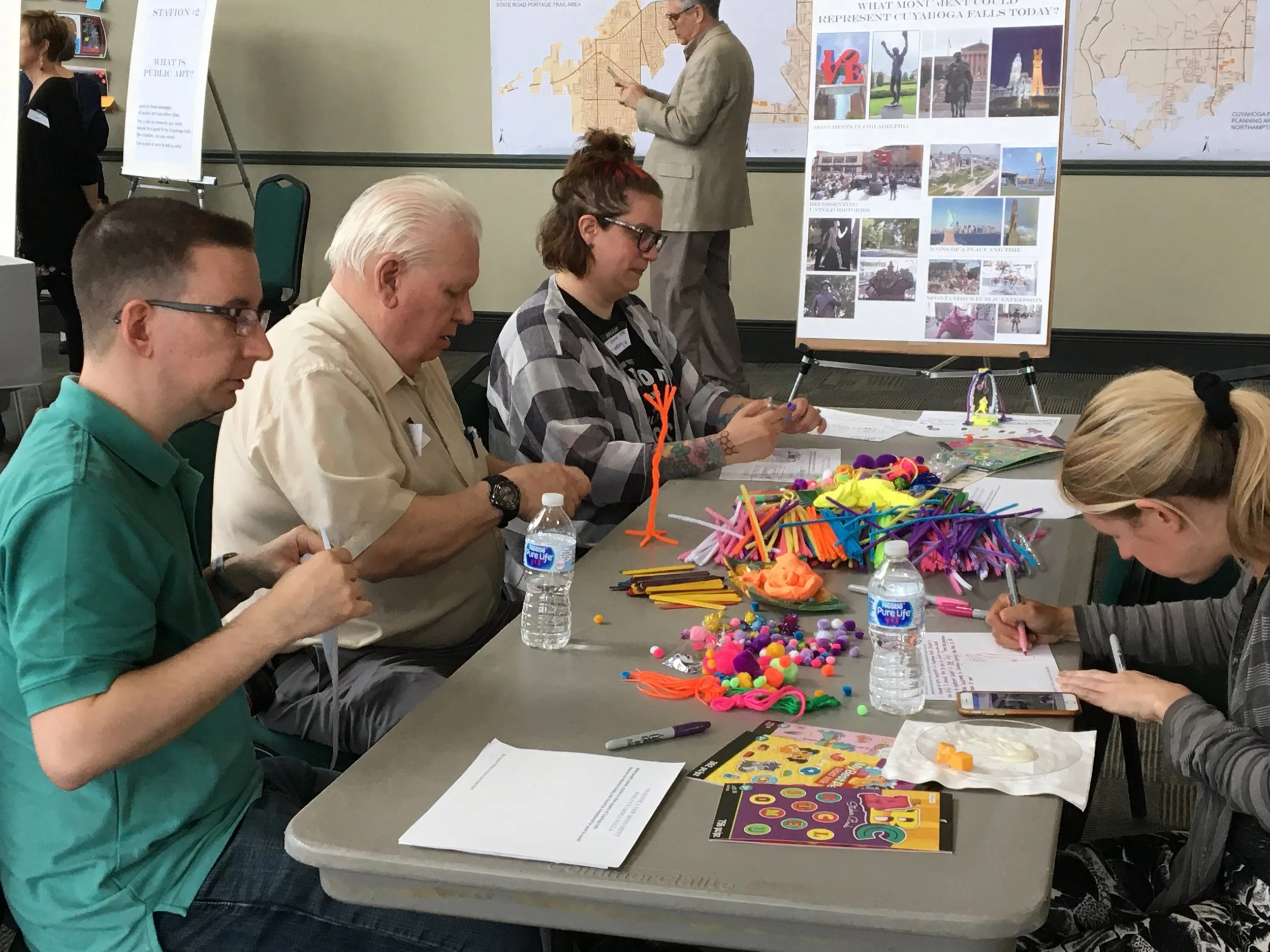
Take Cuyahoga Falls, Oh., a working-class town that hadn’t had a whole lot of experience with public art. We organized a “monumental make and take,” stocking tables in a community hall with art supplies, then asking people to make a new monument for their town and explain to us what it meant.
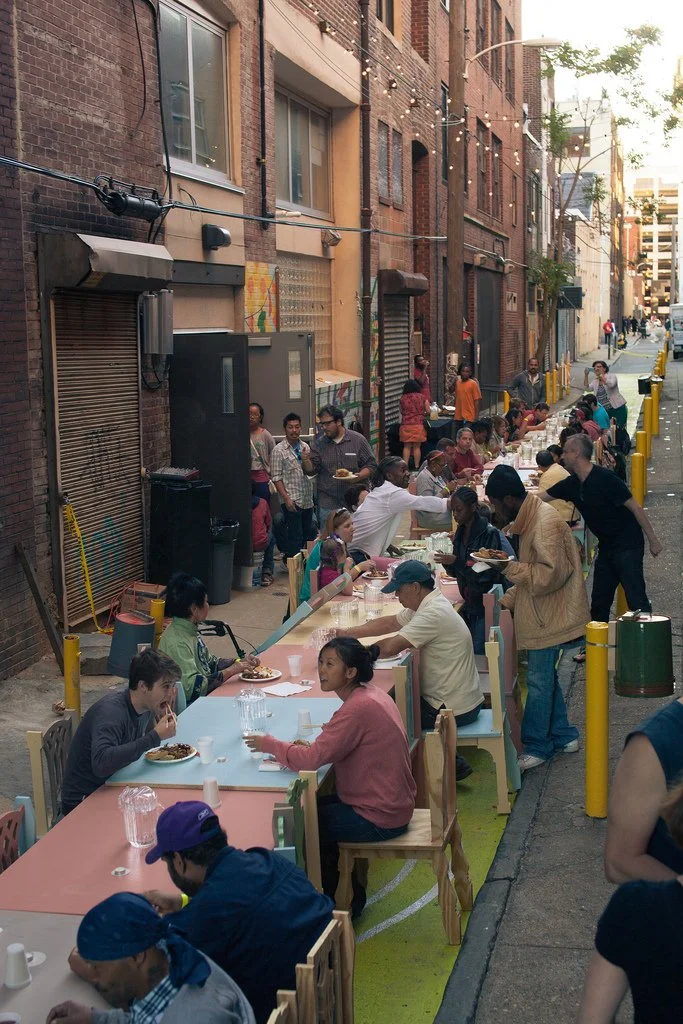
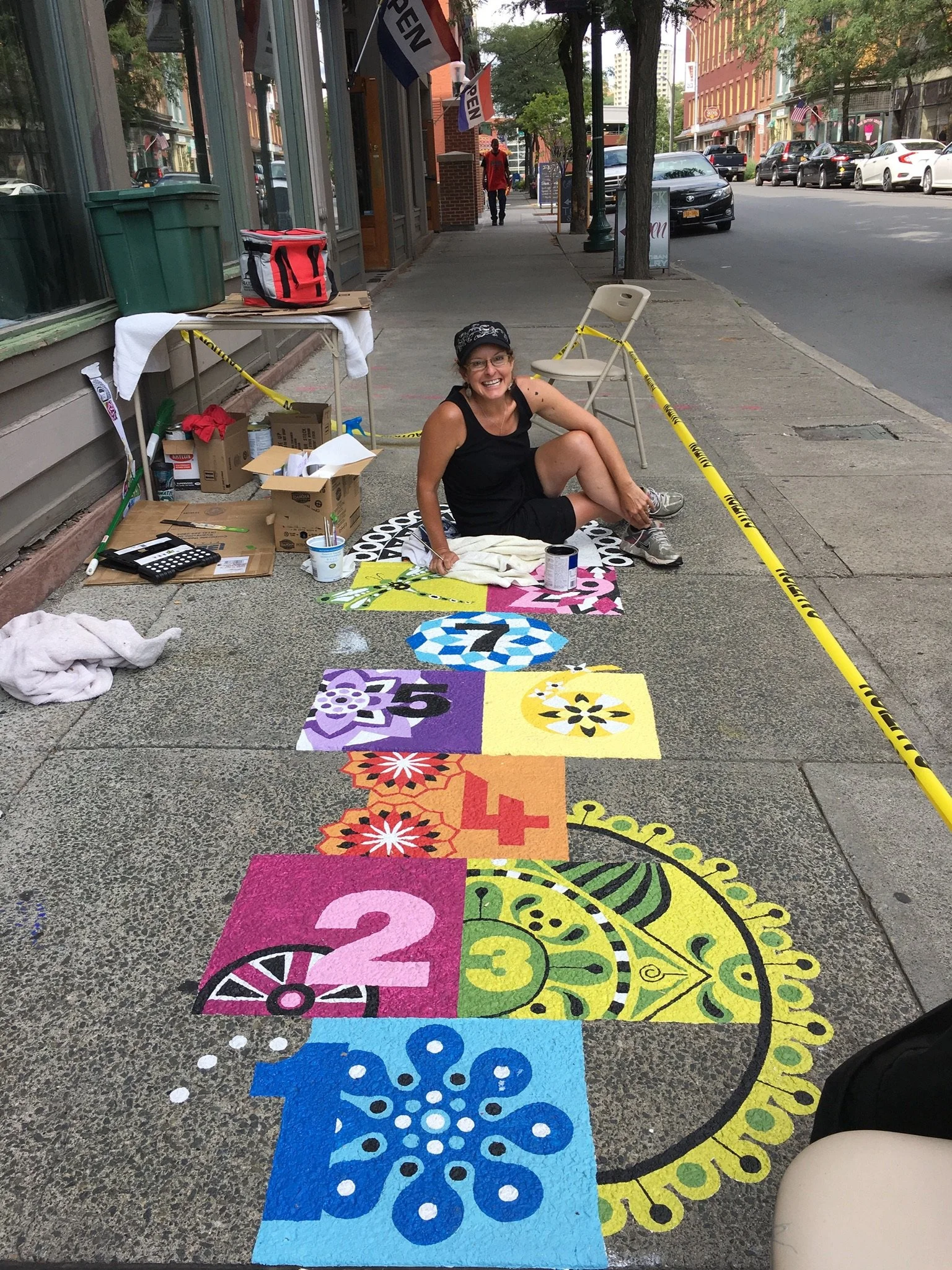
In Troy, N.Y., we worked with the City and a regional art center to create a three-week-long downtown hub, created by closing down a short street, painting a street mural, and adding a bit of temporary furniture. We then stipended local artists to program the space with creative events – poetry readings, music, performance art, and walking tours. This gave the planning team an opportunity to learn about Troy’s creative resources, talk to people in informal ways, and connect people with the public art initiative in a way that felt relevant to them.
We have a deep commitment to working with artists in almost all of our community engagement processes. Artists from the community can help us connect with people more easily through trust and creativity. They can help us understand what is not seen, and to quickly focus on essential issues. And they can show us the creative energy that can be tapped into to create ideas for public art that truly do come from the community.